
—————— ABOUT US
How
we differ.
British-grown, chemical-free flowers - and why the difference matters.

SUSTAINABLE · LOCAL
HOW WE DIFFER
Local, seasonal, chemical-free.
The difference between a British-grown flower and an imported one is not just where it was grown - it is how it was grown, what was sprayed on it, and how far it travelled to reach you.
01
No foam, no plastic.
As of 2026, The Sustainable Church Flowers encourages the sourcing of biodegradable, compostable flowers and foliage - and the elimination of floral foam and similar products. We design without them.
2026 · SUSTAINABLE CHURCH FLOWERS
02 · THE HIDDEN COST OF IMPORTS
“Nothing says love like chemicals: Valentine’s roses often covered in pesticides, testing finds.”

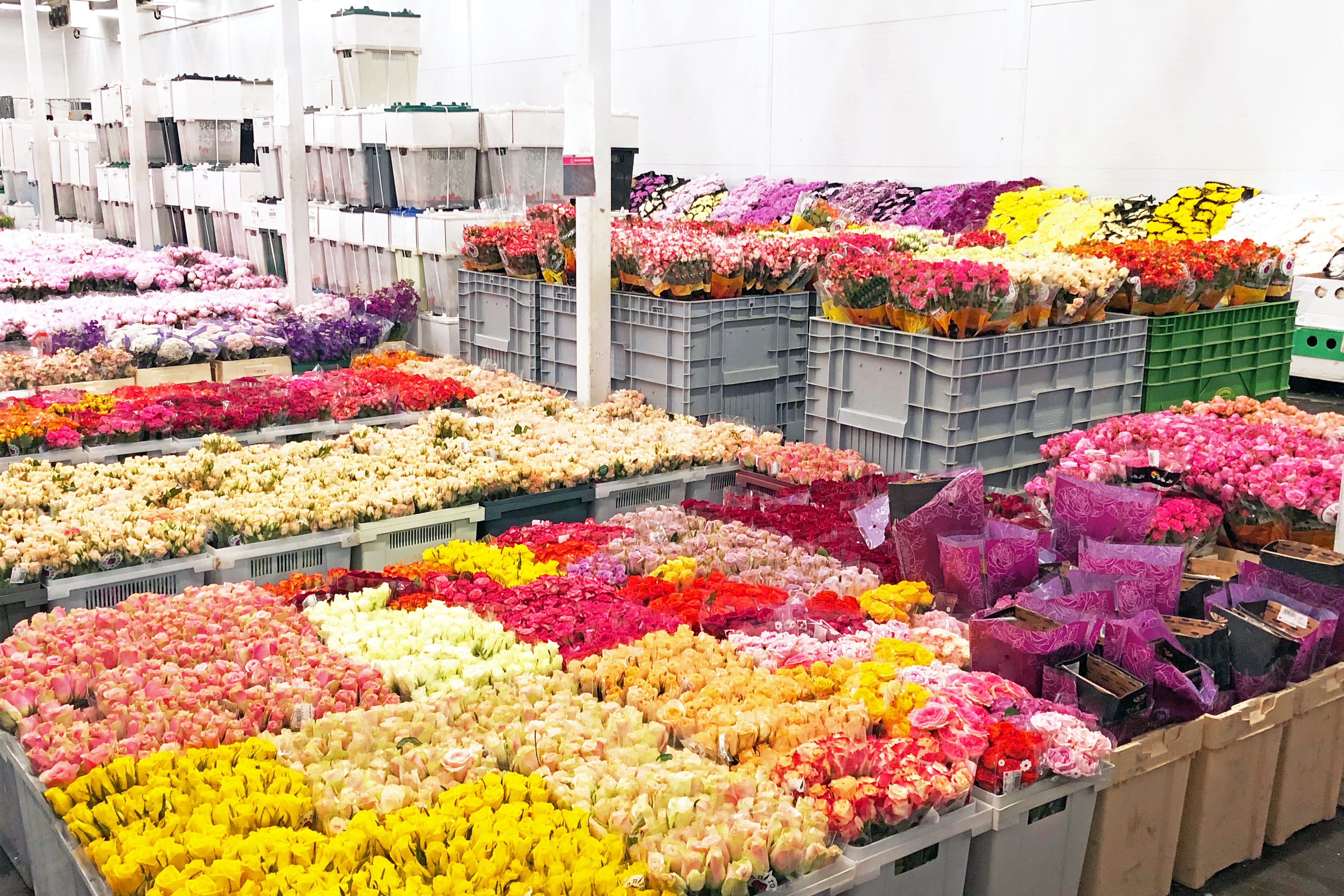
In February 2026, a major newspaper reported on 26 different pesticides found on Valentine’s roses - half of them banned in the EU and UK. Among them: a thyroid-disrupting chemical, a human carcinogen, and one that can lead to cardiac arrest.
200 million roses are produced for Europe’s demand on February 14th. Imported flowers come from Colombia, Kenya and Ethiopia, where climates allow year-round farming but regulations are lax and powerful pesticides are used at every stage of production - then again before the long journey ahead. As the paper put it, they are ‘basically flower factories’.
03
An informed choice.
The British Florist Association supports UK growers and the continued growth of British flower production. They also acknowledge that British production alone cannot realistically supply the volume required, and that criticism of imported flowers can oversimplify a complex global supply chain. Consumers deserve informed choice, and the industry works best when local and global supply are viewed as complementary rather than in competition.